Published on 2026-02-18
Detect and prevent unauthorized account sharing to protect your revenue and enforce terms of service.
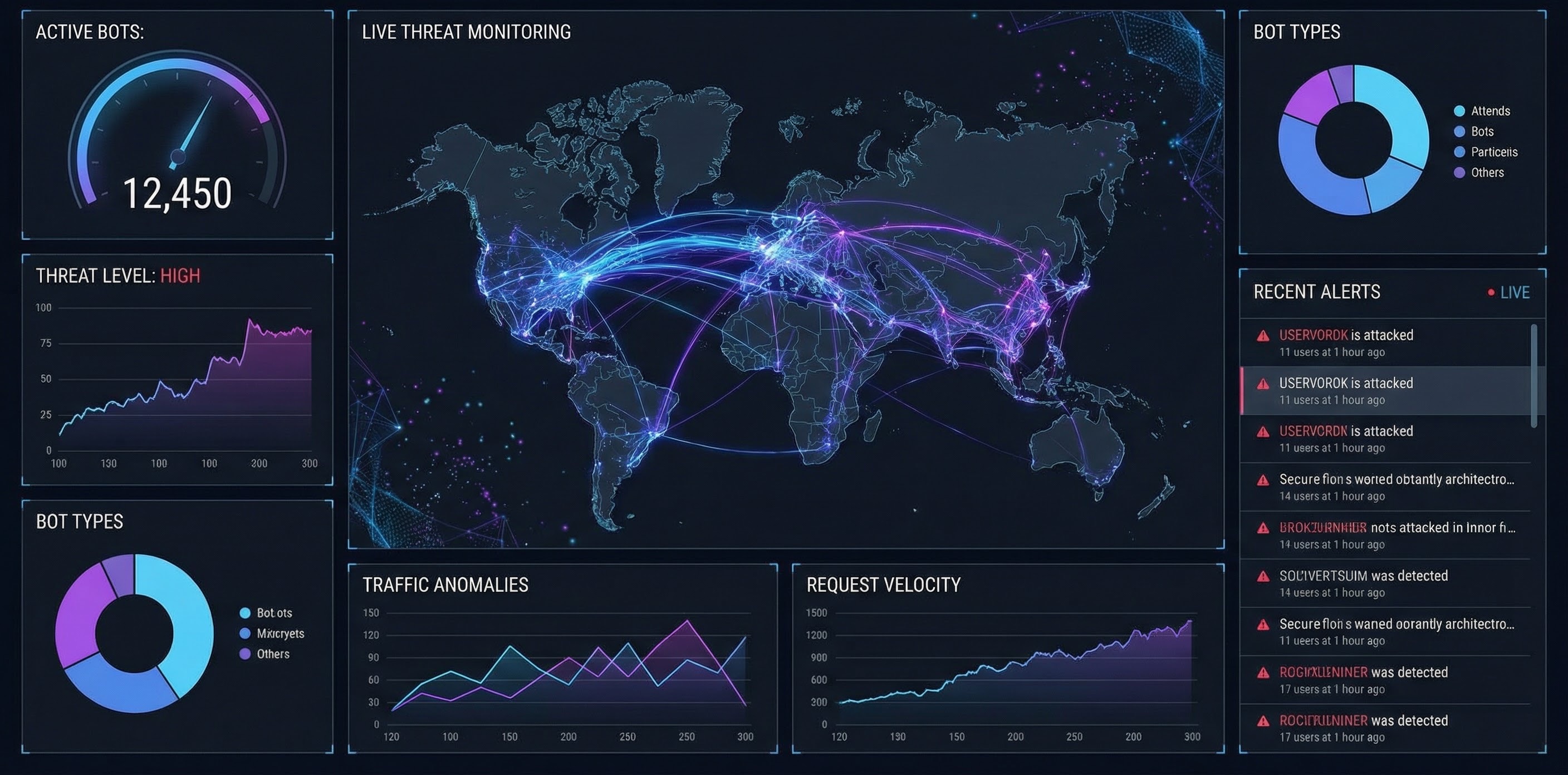
Account sharing can significantly impact your revenue and violate your terms of service. Our detection identifies when accounts are being used by multiple users across different locations and devices. While some account sharing is legitimate (like family plans), unauthorized sharing reduces your potential subscriber base and can overload your infrastructure. For subscription-based services, account sharing can result in substantial revenue loss. Our system distinguishes between legitimate multi-device usage and unauthorized account sharing, allowing you to enforce your policies while maintaining a good user experience for legitimate customers.
Identify when accounts are accessed from multiple devices simultaneously or across different geographic locations. Our device fingerprinting technology creates unique identifiers for each device based on hardware characteristics, software configurations, and browser settings. When the same account is accessed from multiple distinct devices within a short time frame, especially from different locations, it indicates potential account sharing.
Detect unusual session patterns that indicate account sharing, such as rapid location changes or concurrent logins. We analyze session data to identify patterns that suggest account sharing. For example, if an account is accessed from New York at 9 AM and then from Los Angeles at 9:30 AM, this is physically impossible and indicates account sharing. Concurrent sessions from different locations are also strong indicators.
Analyze usage patterns to identify when account behavior suggests multiple users, helping you enforce your terms of service. Different users have different preferences and behaviors. When an account shows dramatically different usage patterns—such as watching completely different types of content, using different features, or having different activity times—it suggests multiple people are using the same account.
Automatically enforce your account sharing policies with customizable responses, from warnings to account restrictions. Configure automated responses based on your business model. You might send warnings for first-time detections, require additional authentication for suspicious activity, or limit concurrent sessions. The system can also prompt users to upgrade to a multi-user plan if sharing is detected.
1
Continuously track when and where accounts are accessed, including device information, IP addresses, and geographic locations. Build a baseline of normal usage patterns for each account.
2
Detect patterns that indicate account sharing, such as simultaneous logins from different locations, rapid geographic movement, or usage patterns that suggest multiple distinct users.
3
Assign a risk score based on the strength of evidence. Consider factors like the number of distinct devices, geographic spread, time patterns, and behavioral differences to determine confidence level.
4
Automatically apply configured policies based on risk scores. This might include sending notifications, requiring additional authentication, limiting concurrent sessions, or prompting users to upgrade their plan.
When multiple users share a single subscription, you lose potential revenue from additional subscriptions. For services with millions of users, even a small percentage of account sharing can represent significant lost revenue.
Account sharing increases your infrastructure costs without corresponding revenue. More users accessing content simultaneously means higher bandwidth, storage, and compute requirements.
Content licensing agreements are often based on subscriber counts. Unauthorized account sharing can violate these agreements and lead to legal and financial consequences.
Effective account sharing detection must balance security with user experience. Legitimate users may access their accounts from multiple devices or while traveling, and we need to avoid false positives that frustrate customers. Our system is designed to be intelligent about context. For example, we understand that users traveling for business might access their accounts from different locations, and we account for this in our detection algorithms. We also allow you to configure whitelists for known legitimate scenarios, such as family plans or corporate accounts.
We use cookies to improve your experience and anonymously analyze usage.