Published on 2026-02-18
Detect and block synthetic identities used to create fraudulent accounts and abuse your platform.
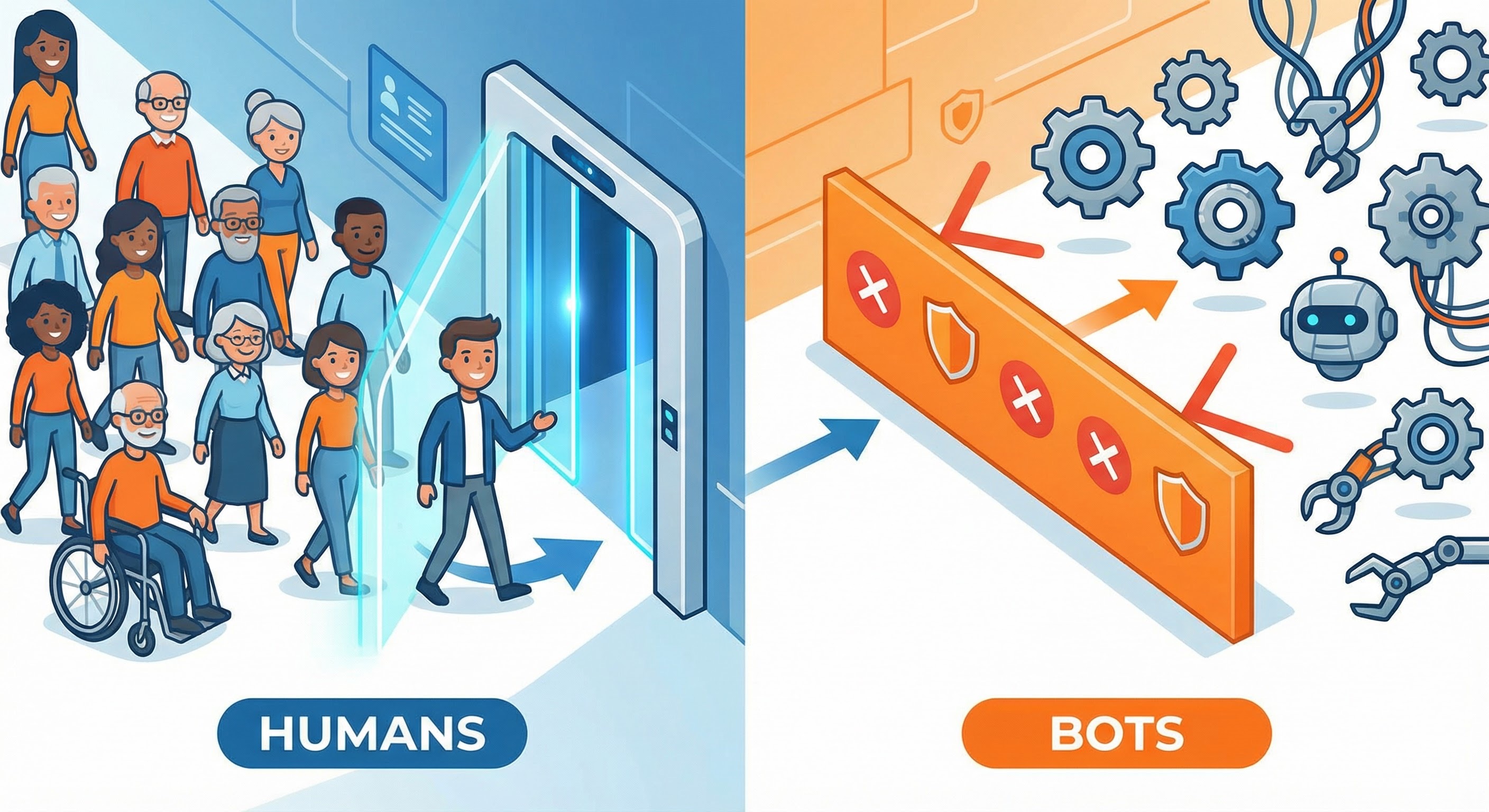
Synthetic identities combine real and fake information to create accounts that appear legitimate. Our advanced detection identifies these fraudulent accounts before they can cause damage. Synthetic identity fraud is one of the fastest-growing types of identity theft. Attackers combine real personal information (like Social Security numbers) with fabricated details (like addresses or phone numbers) to create identities that can pass basic verification checks. These synthetic identities are then used to create accounts for various fraudulent purposes, including financial fraud, spam, and abuse of platform resources. Our detection system uses multiple verification layers and behavioral analysis to identify these fraudulent accounts during the registration process.
Verify the authenticity of user-provided information by cross-referencing multiple data sources and detecting inconsistencies. We cross-reference provided information against multiple databases and data sources to verify consistency. For example, we check if the provided name, address, phone number, and email form a coherent identity profile. Inconsistencies—such as a phone number registered to a different name or an address that doesn't match the provided name—are red flags for synthetic identities.
Identify accounts with suspicious behavior patterns that indicate synthetic identity creation, such as rapid account setup or unusual activity. Legitimate users typically take time to complete account setup, explore features, and build their profile. Synthetic identity accounts often show rushed setup processes, minimal profile information, and immediate suspicious activity. We analyze the timing, sequence, and quality of account creation steps to identify these patterns.
Analyze device fingerprints, IP addresses, and network patterns to detect coordinated fake account creation campaigns. Attackers often create multiple synthetic accounts from the same device or network. We track device fingerprints, IP addresses, and network characteristics to identify when multiple accounts are being created from the same source. We also detect patterns that indicate automated account creation, such as consistent timing intervals or identical device configurations across multiple accounts.
Automatically block suspicious account creation attempts in real-time, preventing synthetic identities from entering your platform. When our system detects a high-probability synthetic identity during registration, it can automatically block the account creation before the account is fully set up. This prevents attackers from using the account and saves your platform resources. Lower-confidence detections can be flagged for manual review or require additional verification steps.
Understanding how attackers create synthetic identities helps us detect them more effectively. Here are common methods and how we counter them:
Attackers use real Social Security numbers (often from data breaches or deceased individuals) combined with completely fabricated names, addresses, and contact information. Our Detection: Cross-reference identity components across multiple databases. If an SSN doesn't match the name, or if the address/phone combination is inconsistent, we flag it as suspicious.
Attackers mix real information from multiple sources, creating a composite identity that passes individual checks but fails when examined as a whole. Our Detection: Analyze the coherence of the entire identity profile. Real identities have consistent histories and relationships between data points that synthetic identities lack.
Completely fabricated identities created using identity generation tools or algorithms, often used in bulk account creation campaigns. Our Detection: Identify patterns in generated identities, such as similar name structures, sequential addresses, or patterns in phone numbers. We also detect when multiple accounts are created in rapid succession with similar characteristics.
Verify government-issued IDs and documents, checking for authenticity markers, consistency with provided information, and signs of tampering or forgery.
Use facial recognition and liveness detection to ensure the person creating the account matches the provided identity and is a real person, not a photo or video.
Ask questions that only the real identity owner would know, such as previous addresses, financial history, or personal relationships, to verify identity authenticity.
Synthetic identity fraud can have severe consequences for your platform: - • Financial Loss: Fraudulent accounts can be used for payment fraud, chargebacks, and abuse of financial services or credits. - • Reputation Damage: Fake accounts engaging in spam, harassment, or other abuse can damage your platform's reputation and user trust. - • Regulatory Compliance: Allowing synthetic identities can violate KYC (Know Your Customer) and AML (Anti-Money Laundering) regulations, leading to fines and legal issues. - • Resource Waste: Fake accounts consume platform resources, storage, and support bandwidth without providing value or revenue.
We use cookies to improve your experience and anonymously analyze usage.